Process
The Business Case for Remote Design Services
February 5, 2024
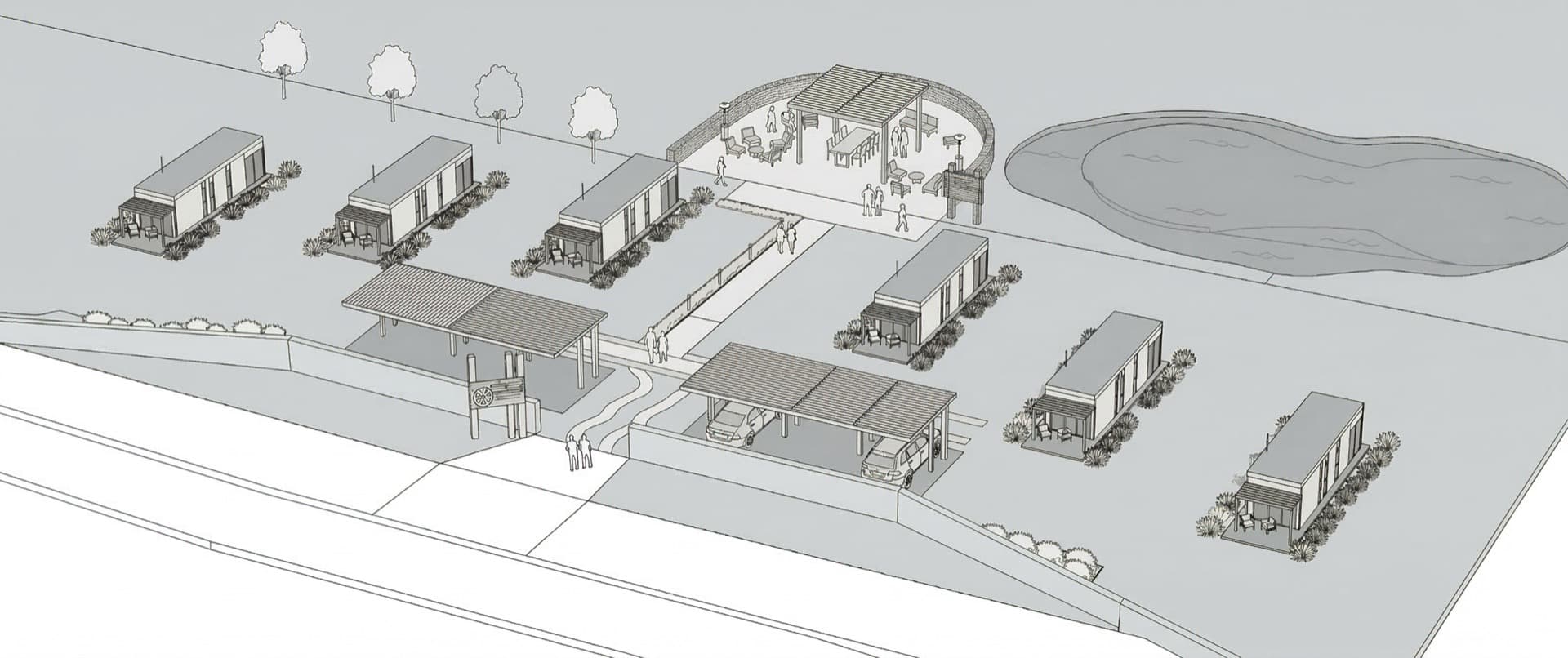
When we started Somaz Studio as a remote-first practice, clients were skeptical. How can you design a space you have never visited? How do you select materials you cannot touch?
Three years and fifty projects later, the model has proven itself. Here is why.
First, the talent pool. A local-only studio is limited to designers within commuting distance. A remote studio draws from the entire profession. Our team has deep experience in Latin American residential design and Miami's specific climate and market — a combination that is rare in any single geography.
Second, the economics. We do not maintain a showroom or a warehouse of material samples. Our clients do not pay for that overhead. The savings are passed directly to the project budget — which means better materials, more render views, or faster timelines.
Third, the tools. Modern 3D visualization software, cloud-based collaboration platforms, and high-resolution video calls have eliminated the practical barriers to remote design. We share real-time 3D walkthroughs with clients. We source materials digitally from manufacturer libraries with full specification data. We conduct site analysis using satellite imagery, sun path tools, and local climate data.
The one thing we cannot do remotely is the final construction observation. For that, we partner with local contractors and architects who handle on-site execution. We provide them with detailed specifications, material schedules, and reference renders so that the finished space matches the design.
The result: clients in Miami, Buenos Aires, Santiago, Montevideo, and Bogotá receive the same quality of design work — regardless of where our team sits.